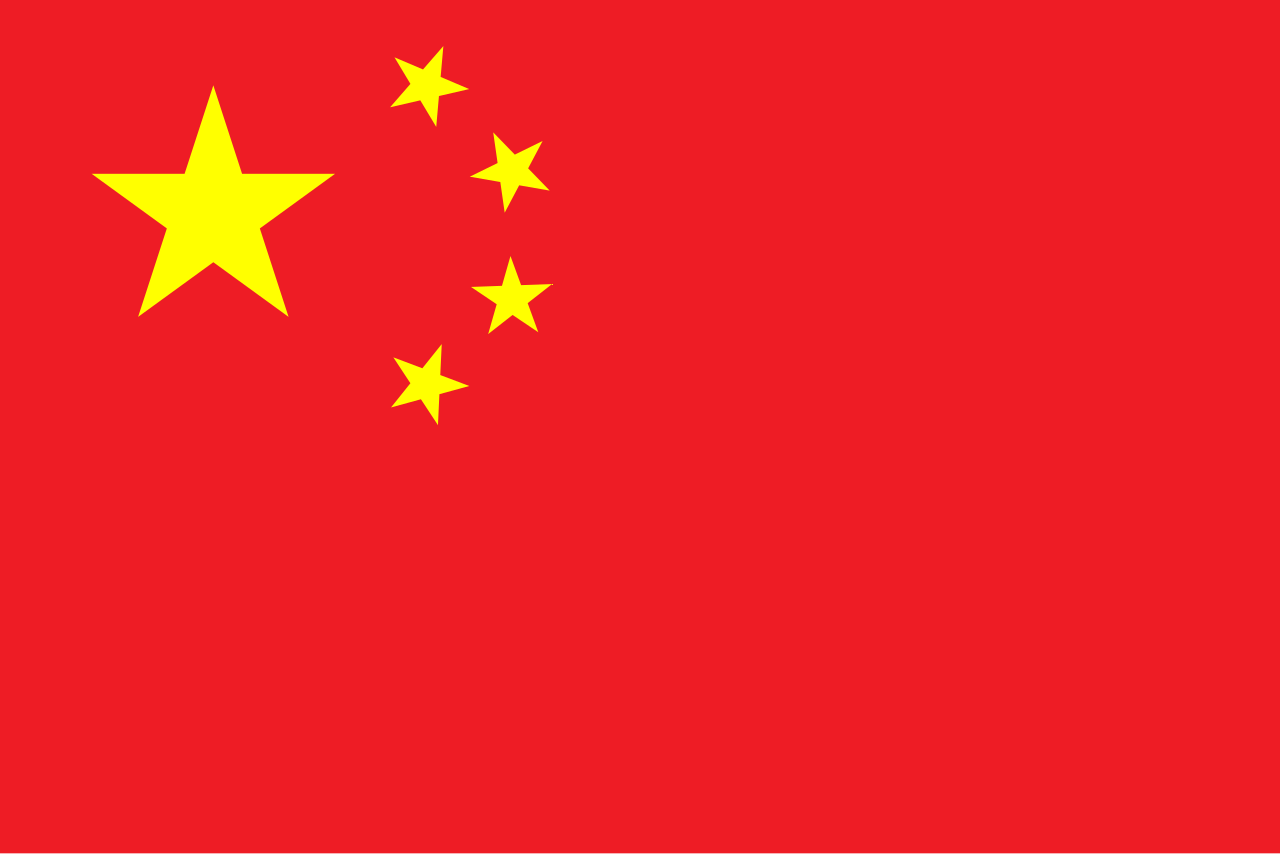
China-Samoa Scholarships: The Conspicuous Absence in Top News Outlets
In an age dominated by instantaneous information and global connectivity, one might expect to find comprehensive coverage of significant international initiatives across major news platforms. Yet, a focused investigation into "china stipendien samoa" – or China-Samoa scholarships – reveals a striking gap in the reporting of leading global news organizations. Despite extensive coverage on China's geopolitical maneuvers, economic influence, and a myriad of other topics, a deep dive into the archives of prestigious outlets like The Guardian, CNN, and AP News yields no dedicated articles discussing specific scholarship programs between China and Samoa. This notable absence prompts a critical examination: Why is such a potentially impactful aspect of bilateral relations overlooked by mainstream media, and what does this tell us about the landscape of international news reporting?
The search for details surrounding China-Samoa scholarships within these prominent news sources proved surprisingly barren. While these platforms meticulously document broader narratives about China's rising global power, its relations with various regions, and specific economic or political developments, the granular details of educational diplomacy, particularly between Beijing and a smaller Pacific island nation like Samoa, appear to fall outside their primary reporting scope. This isn't to say such programs don't exist; rather, it highlights a crucial distinction between what constitutes "top news" for a global audience and the myriad of impactful, yet less sensational, initiatives that shape international relations.
The Elusive Trail: Why Major Media Outlets Are Silent on China-Samoa Scholarships
The lack of dedicated articles on "china stipendien samoa" in leading international news outlets is not necessarily an indicator of these programs' non-existence, but rather a reflection of media priorities and the nature of global news dissemination. Major news organizations operate on a vast scale, with resources often concentrated on events that have widespread geopolitical, economic, or social implications. Scholarship programs, while vital for human development and diplomatic ties, typically fall into a more niche category compared to high-stakes political negotiations, trade wars, or humanitarian crises that dominate headlines.
One primary reason for this silence is the
scale of newsworthiness. A scholarship initiative between two specific nations, especially when one is a smaller island state, might not generate the same level of global interest as, say, China's Belt and Road Initiative or its interactions with superpowers. Editors and news directors must constantly make decisions about what stories will resonate with their broad, international readership or viewership. While China's overall engagement in the Pacific is frequently covered, the specifics of educational aid often get subsumed under broader themes of economic assistance or strategic influence, if mentioned at all.
Furthermore, the
localization of information plays a significant role. News about scholarships for Samoan students to study in China is far more likely to be found in Samoan national newspapers, government press releases, university announcements, or specialized educational portals. These local sources are the primary conduits for information directly relevant to the affected communities. International news outlets, while capable of deep dives, often rely on aggregated information or stories that have already gained traction on a broader stage. The process of searching for and reporting on such specific bilateral programs might not align with their operational models geared towards rapid, high-impact global reporting. For those seeking specific information, understanding this dynamic is key. Our previous exploration,
Searching China Stipendien Samoa: Uncovered by Major Media, further delves into the challenges of this information vacuum.
Unveiling China's Soft Power Strategy in the Pacific: Beyond the Headlines
Despite the lack of specific coverage on "china stipendien samoa" in global news, these scholarships undeniably represent a crucial component of China's broader soft power strategy and its engagement in the Pacific region. China's presence in the Pacific is well-documented, focusing on infrastructure development, economic aid, and increasing diplomatic ties. Educational scholarships are an equally powerful, albeit quieter, tool in this diplomatic toolkit.
Educational diplomacy is a cornerstone of soft power, fostering goodwill, cultivating future leaders, and building long-term relationships at a grassroots level. By offering opportunities for Samoan students to pursue higher education in China, Beijing is investing in human capital, creating a generation of individuals who will have firsthand experience with Chinese culture, language, and society. These alumni can then serve as bridges between the two nations, promoting understanding and strengthening bilateral ties in various sectors, from government to business to academia.
The Pacific Islands, including Samoa, hold strategic importance for China. Establishing deeper cultural and educational links complements China's economic and political overtures in the region, which has traditionally been within the sphere of influence of Western powers like Australia, New Zealand, and the United States. Scholarships contribute to a diversified foreign policy approach, demonstrating a commitment beyond purely transactional relationships. They aim to build mutual respect and shared interests, slowly shifting perceptions and fostering a more favorable view of China among future decision-makers and the general populace.
It's important to recognize that while general China news abounds, the specific details of these kinds of educational initiatives are often missing, as highlighted in
General China News: No Specific Samoa Scholarship Details. This emphasizes that while the media reports on the 'what' and 'why' of China's overall strategy, the 'how' – through specific programs like scholarships – often goes unnoticed by global audiences.
Navigating the Information Gap: Where to Find Details on China-Samoa Scholarships
Given the pronounced absence of "china stipendien samoa" in major international news, individuals seeking concrete information about these scholarships must look beyond conventional global news outlets. The information exists, but it resides in more specialized and localized channels. For students, researchers, or policymakers interested in these programs, a strategic approach to information gathering is essential.
Here are practical tips and actionable advice for uncovering details on China-Samoa scholarships:
*
Official Government Channels: The most authoritative sources will be the official websites of the relevant government ministries. Check the website of the
Chinese Embassy in Samoa and the
Samoan Embassy in China. Similarly, the
Ministry of Foreign Affairs and the
Ministry of Education in both countries are likely to publish announcements, guidelines, and application procedures for bilateral scholarship programs. These platforms are designed to disseminate official information to their respective publics and international partners.
*
University Websites: Many Chinese universities, particularly those designated to host international students under government scholarship schemes, will publish details on their English-language international student admission pages. Searching for "Chinese Government Scholarship (CSC) for Samoan Students" on university websites can yield direct links to program specifics.
*
Specialized Educational Portals: Websites dedicated to international scholarships, study abroad programs, and educational exchanges often compile information from various sources. Platforms like Scholarship Positions, Study in China, or similar governmental or non-governmental educational agencies can be valuable repositories.
*
Local Samoan Media: Domestic newspapers, radio stations, and online news portals in Samoa are far more likely to carry announcements about scholarship opportunities for their citizens. Local news is attuned to community needs and frequently reports on national educational opportunities.
*
Think Tanks and Academic Research: Institutions that specialize in China-Pacific relations or international development often publish reports, analyses, or working papers that might include details or mentions of educational initiatives. Searching academic databases for terms like "China Pacific education aid" or "Samoa human resource development China" could provide context or direct leads.
*
Networking and Direct Inquiry: Sometimes, the most effective method is direct communication. Contacting the education departments of the respective embassies or ministries can provide the most up-to-date and specific information. Alumni networks of students who have previously studied in China can also be an invaluable resource.
The Value of Niche Reporting and Local Perspectives
The challenge of finding information on "china stipendien samoa" underscores the inherent limitations of mainstream global media. While these outlets excel at delivering broad, impactful narratives, they cannot cover every specific initiative that shapes international relations. This highlights the vital role of niche reporting, local journalism, and specialized academic research in painting a complete picture of global interactions. For a nuanced understanding of China's engagements and the specific benefits offered to countries like Samoa, one must actively seek out these diverse and often less-publicized information channels. The real stories of cultural exchange, skill development, and long-term diplomatic investment often unfold away from the global spotlight.
Conclusion
The journey to uncover "china stipendien samoa" in major news outlets leads to a significant revelation: their conspicuous absence. This doesn't suggest a lack of such programs but rather underscores the selective nature of global news coverage, which prioritizes broad, high-impact stories over more specific, yet equally meaningful, bilateral initiatives. China's educational scholarships to Samoa are a quiet but powerful instrument of soft power, fostering long-term relationships and influencing future generations, far from the dramatic headlines. For those genuinely interested in understanding the full spectrum of China's engagement in the Pacific, it necessitates looking beyond the usual suspects of international news. Instead, one must delve into official government channels, university websites, specialized educational portals, and local Samoan media. This strategic shift in information gathering is crucial for a complete and nuanced understanding of global diplomacy, where the most profound impacts are often cultivated in the quieter corridors of educational exchange, rather than on the front pages of major newspapers.